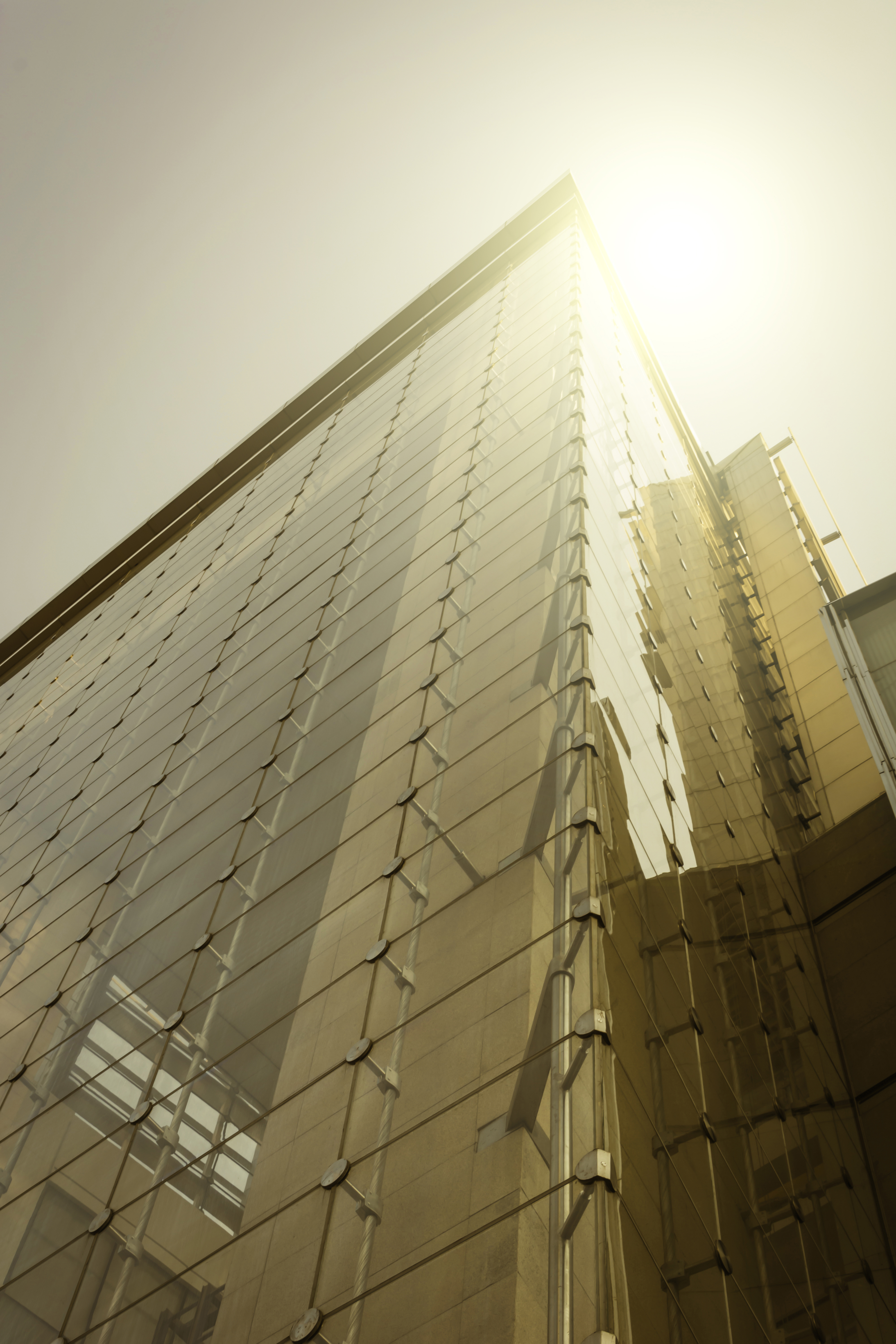
In the Gulf region, where extreme heat dominates most of the year, thermal insulation is no longer a luxury — it has become a necessity. Countries such as Saudi Arabia, the UAE, Kuwait, and Qatar face rising energy consumption due to high cooling demands. Thermal insulation for buildings plays a crucial role in reducing heat transfer, improving indoor comfort, and lowering energy costs.
This article explores the importance of thermal insulation in the Gulf climate, its benefits, and why it is a sustainable long-term investment for residential and commercial buildings.
Why Is Thermal Insulation Essential in the Gulf?
The Gulf climate is characterized by:
- Extremely high temperatures, often exceeding 45°C
- Strong solar radiation
- High air-conditioning usage throughout the year
Without proper insulation, buildings absorb heat through windows, walls, and roofs, forcing cooling systems to work harder. Thermal insulation acts as a protective barrier, preventing heat from entering indoor spaces and maintaining stable temperatures.
Key Benefits of Thermal Insulation
1. Significant Energy Savings
Thermal insulation reduces heat gain, which lowers air-conditioning usage and cuts electricity bills. This is especially important in large buildings and villas common in the Gulf.
2. Improved Indoor Comfort
Insulated buildings maintain consistent indoor temperatures, reducing hot spots and improving overall comfort for occupants.
3. Extended Lifespan of HVAC Systems
By reducing the workload on air-conditioning systems, insulation helps extend their operational life and reduces maintenance costs.
4. Environmental Sustainability
Lower energy consumption means reduced carbon emissions, supporting national sustainability goals and green building initiatives across the Gulf region.
Types of Thermal Insulation Used in Buildings
• Window Films and Glass Insulation
Advanced window films block solar heat while allowing natural light, making them ideal for offices, homes, and commercial buildings.
• Wall and Roof Insulation
Insulating walls and roofs prevents direct heat transfer, especially in buildings exposed to long hours of sunlight.
• Reflective and Nano-Ceramic Technologies
Modern insulation solutions, such as nano-ceramic coatings, provide high heat rejection with minimal visual impact.
Thermal Insulation and Sustainability in Saudi Arabia
Saudi Arabia’s Vision 2030 emphasizes energy efficiency and sustainable construction. Thermal insulation aligns perfectly with this vision by:
- Reducing national energy demand
- Supporting green building standards
- Enhancing quality of life in residential and commercial spaces
Investing in insulation is a step toward smarter cities and a more sustainable future.
Choosing the Right Thermal Insulation Solution
When selecting insulation solutions, consider:
- Climate conditions
- Building type (residential, commercial, industrial)
- Quality certifications
- Long-term performance and warranty
Working with authorized and experienced providers ensures the best results and compliance with local standards.
Conclusion
Thermal insulation is a smart, sustainable solution for buildings in the Gulf. It enhances comfort, reduces energy costs, protects the environment, and supports long-term building efficiency.
As temperatures continue to rise, insulation is no longer optional — it is a vital investment for a cooler, more efficient future.